If you are deciding between Old Town and the West End in Alexandria, you are really choosing between two very different everyday experiences. One offers historic streets, waterfront access, and easy walkability, while the other gives you a broader mix of housing, larger parks, and a more car-friendly setup. When you understand how each area functions day to day, it becomes much easier to figure out which one fits your goals best. Let’s dive in.
Old Town at a Glance
Old Town is Alexandria’s historic downtown and part of a nationally designated historic district along the Potomac River. It is known for its walkable layout, historic sites, restaurants, boutiques, galleries, and the King Street corridor.
The area also has a distinct built environment. City materials note that much of Old Town is the original city site, with a high concentration of townhouses and townhouse-like buildings. If you want a neighborhood with established architecture and a compact feel, Old Town often stands out right away.
West End at a Glance
The West End is Alexandria’s largest neighborhood area and includes communities such as Seminary Hill, Cameron Station, and Taylor Run. It has a broader footprint and a more mixed-use character, with neighborhood services, parks, and ongoing redevelopment around Landmark and Van Dorn.
Compared with Old Town, the West End feels more spread out and varied. Instead of one dominant housing style or one central main street experience, you will find a wider range of home types, park spaces, and transportation patterns.
Housing Differences to Expect
Old Town Housing Style
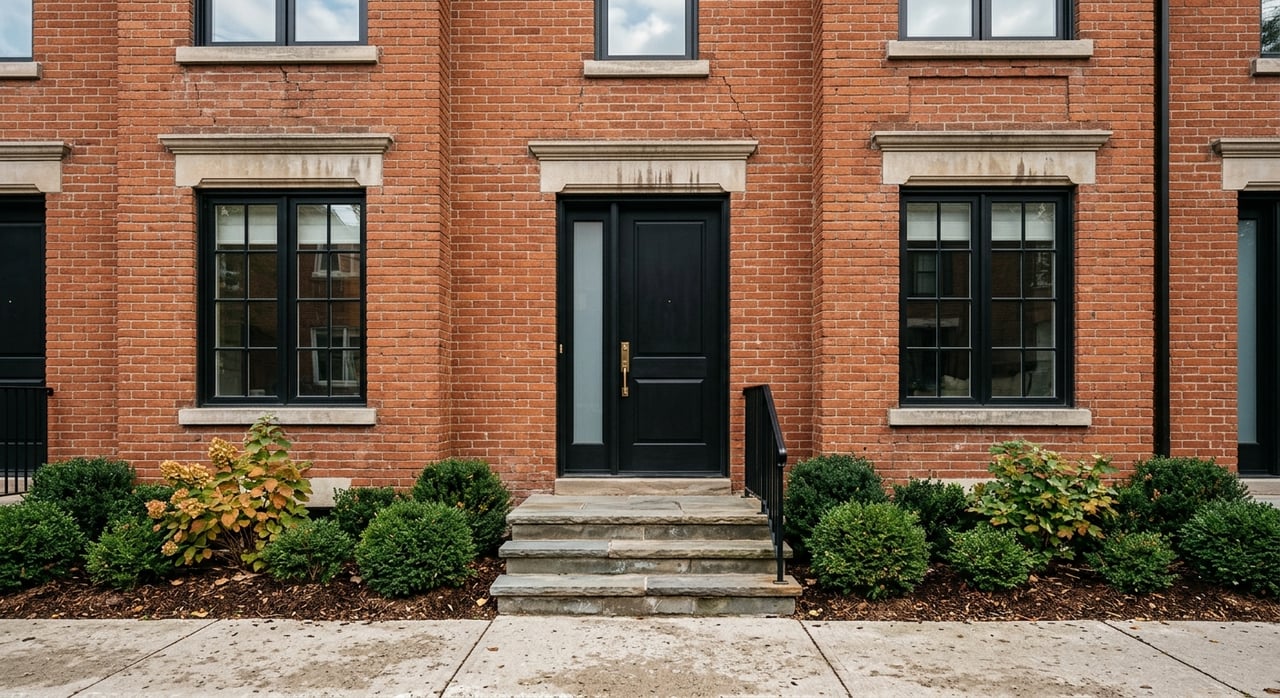
Old Town is best known for rowhouse and townhouse forms. Official planning documents emphasize townhouse-style housing, and many properties are zoned in ways that reflect that historic pattern.
That can be a major plus if you love character and an urban neighborhood feel. At the same time, if a property is located in the local historic district, visible exterior changes generally require a Certificate of Appropriateness from the Board of Architectural Review. For buyers, that means charm often comes with added rules for exterior updates.
West End Housing Variety
The West End offers a much wider range of housing types and densities. City planning documents describe everything from low-density single-family detached neighborhoods to garden apartments, townhouses, and high-density high-rise residential areas.
That variety gives you more ways to match your budget, space needs, and lifestyle. If you want to compare condos, townhomes, and detached homes without leaving the same general section of Alexandria, the West End gives you more flexibility.
Price Entry Points and Affordability Context
City housing analysis suggests that more of Alexandria’s lower-assessed inventory clusters in the West End than in Old Town. The majority of single-family homes assessed below $750,000 are concentrated in areas that include Seminary Hill/Strawberry Hill, Alexandria West, and Landmark/Van Dorn. The majority of residential condominiums assessed below $500,000 also cluster in Landmark/Van Dorn, Alexandria West, and Seminary Hill/Strawberry Hill.
That does not mean the West End is cheap. It does mean you may find more lower-entry options there compared with Old Town, especially if you are open to condos or a broader range of home styles.
For citywide context, Alexandria’s 2023 housing analysis reported an average assessed value of $940,375 for a single-family home and $407,616 for a residential condominium. The same report also notes that condo fees and special assessments can have a real impact on affordability, so your monthly cost matters just as much as the list price.
Commute and Transit Comparison
Old Town for Walkability and Rail
Old Town is the stronger fit if you want a more rail- and walk-oriented lifestyle. It is served by the King Street and Braddock Road Metrorail stations, and the free King Street Trolley helps connect the station area to Old Town and the waterfront.
WMATA notes that King St-Old Town station is on the Blue and Yellow lines and connects to Alexandria Station, Amtrak/VRE, local DASH routes, Metrobus, and the free trolley. However, the station has only 30 short-term metered parking spaces. If you plan to drive to transit regularly, parking may feel limited.
West End for Driving and Park-and-Ride
The West End is often a better match if your daily routine depends on a car. The area has easy access to I-395 and I-495, plus DASH bus service, Capital Bikeshare, and the Van Dorn Street Metro station.
WMATA’s Van Dorn Street station has 361 daily parking spaces, which makes it more practical for commuters who want rail access without depending on neighborhood street parking. If your work or errands take you across Northern Virginia or beyond, that setup can be a real advantage.
West End Transit Growth
The West End also has major transportation changes underway. The City is implementing the West End Transitway along the Van Dorn and Beauregard corridor and building a new six-bay West Alexandria Transit Center at the former Landmark Mall site.
That redevelopment, now known as West End Alexandria, is planned to include retail, multifamily housing, townhomes, medical office space, and the new Inova hospital campus. If you are buying with future growth in mind, this part of Alexandria may deserve a closer look.
Lifestyle and Amenities
Old Town for Waterfront Living
If being near the water matters to you, Old Town has the edge. The City says the historic Old Town and Waterfront area includes about 23 acres of parks, walking and biking trails, shops, historic sites, and a public marina.
Nearby parks include Waterfront Park, Oronoco Bay Park, Founders Park, and Jones Point Park. Old Town also features more than 200 independent restaurants and shops along King Street, plus waterfront dining and river views. If you picture weekends spent walking to dinner, browsing local shops, or taking in the waterfront, Old Town aligns well with that vision.
West End for Bigger Parks and Recreation
The West End offers a different kind of outdoor lifestyle. Fort Ward Park spans 45 acres, while Dora Kelley Nature Park covers 50 acres and includes the Buddie Ford Nature Center.
You will also find active recreation options at Ben Brenman Park and Cameron Run Regional Park. The Holmes Run Trail network connects several of these outdoor spaces, and the Backlick Run Trail links Ben Brenman Park to Armistead Boothe Park. If you want more room to spread out outdoors, the West End delivers a larger-scale park experience.
Dining and Daily Rhythm
Dining is another area where the two neighborhoods feel different. Old Town’s food scene is centered around King Street and the waterfront, with a strong independent restaurant and shopping presence.
The West End is known for award-winning brews, barbecue, and international cuisine, including a notable Ethiopian dining scene. In simple terms, Old Town leans toward a historic downtown rhythm, while the West End offers a broader neighborhood and mixed-use pattern.
Which Lifestyle Fits You Best?
Old Town May Fit You If
Old Town may be the better fit if you want:
- Historic character and established architecture
- A walkable setting near shops and restaurants
- Waterfront access and river views
- Easier access to rail, trolley service, and a more urban daily routine
- A rowhouse or townhouse-style environment
If you value charm, compact living, and being close to activity, Old Town often checks those boxes.
West End May Fit You If
The West End may be the better fit if you want:
- A wider mix of housing types
- More parking and easier highway access
- Larger parks and nature-focused recreation
- More lower-entry inventory compared with Old Town
- A suburban-to-mixed-use daily rhythm
If you need flexibility, commuting convenience, or more housing variety, the West End may make more sense.
How to Make the Right Choice
The best neighborhood is not the one with the most buzz. It is the one that supports how you actually live, commute, spend time outdoors, and manage your housing budget.
If you are comparing Old Town and the West End, start with your daily habits. Think about whether you want to walk more, drive more, live near the waterfront, prioritize larger parks, or explore a wider range of housing options. Those answers usually point you in the right direction faster than aesthetics alone.
A neighborhood decision also becomes easier when you compare real listings, monthly costs, commute patterns, and long-term plans side by side. If you want help sorting through condos, townhomes, or single-family options in Alexandria, Margo D Scott can help you narrow the search and move forward with confidence.
FAQs
Is Old Town or West End Alexandria more walkable?
- Old Town is generally the more walkable option, with a compact layout, King Street shopping and dining, waterfront access, and connections to Metro and the free King Street Trolley.
Does West End Alexandria have more housing variety than Old Town?
- Yes. City planning documents describe the West End as having a wider range of housing types, including detached homes, townhouses, garden apartments, and higher-density residential buildings.
Is Old Town Alexandria mostly townhouses and rowhouses?
- Old Town is known for a high concentration of townhouses and townhouse-like buildings, which is one reason the area has such a distinct historic character.
Does West End Alexandria offer better parking for commuters?
- In many cases, yes. Van Dorn Street station has 361 daily parking spaces, while King St-Old Town station has only 30 short-term metered parking spaces.
Which Alexandria area has more parks, Old Town or West End?
- Both have parks, but the West End is better known for larger park spaces such as Fort Ward Park, Dora Kelley Nature Park, Ben Brenman Park, and Cameron Run Regional Park.
Are there special historic rules for homes in Old Town Alexandria?
- Yes. If a property is in the local historic district, visible exterior changes generally require a Certificate of Appropriateness from the Board of Architectural Review.