Are you wondering if moving to Washington, DC from out of state means choosing between convenience and affordability? That question comes up a lot, and the answer is usually more layered than people expect. If you are comparing DC with nearby parts of Northern Virginia or Maryland, you need more than a quick glance at list prices. You need a clear picture of housing types, commuting options, taxes, and closing costs so you can make a smart move with confidence. Let’s dive in.
Why moving to DC feels different
Washington, DC is not just a city market. It is part of a larger regional housing and transportation system that includes Northern Virginia and Maryland. If you are relocating from another state, that means your home search may naturally cross jurisdiction lines even if your job, family, or daily plans are centered in DC.
This is one of the first things that surprises out-of-state buyers. A home in DC, Arlington, Alexandria, or Montgomery County may come with a very different price point, tax structure, commute pattern, and closing process. That is why comparing options side by side matters.
Cost of living starts with housing
Housing is usually the first budget item people look at, but in this market, the headline price does not tell the whole story. Current Zillow snapshots show average home values around $580,439 in Washington, DC, $679,447 in Alexandria, and $794,843 in Arlington County. Average rent snapshots are about $2,394 in DC, $2,241 in Alexandria, and $2,557 in Arlington County.
The key takeaway is simple: DC is not automatically more expensive than nearby Virginia. In fact, average home values in DC currently sit below both Arlington County and Alexandria. Still, your actual cost depends on the neighborhood, the type of property, and the ownership costs that come after closing.
Compare total monthly cost
If you are buying, focus on total monthly cost instead of just sale price. In DC, the Class 1A residential property tax rate is $0.85 per $100 of assessed value. The District’s own example shows that a $500,000 assessed home would generate $4,250 in annual property tax before credits and deductions.
That sounds straightforward, but your real monthly budget may also include condo fees, parking, commuting costs, and utilities that vary by building type. A condo near transit may lower transportation costs, while a larger home farther out may increase them. This is why a side-by-side budget review is often more useful than a basic online estimate.
Cash to close matters in DC
Many out-of-state buyers are surprised by DC transaction taxes. In the District, deed recordation tax and deed transfer tax are each 1.1% below $400,000 and 1.45% at $400,000 or more. That means the deed-side taxes alone can total 2.2% or 2.9%, depending on the price.
This can change your cash-to-close number in a major way. A home that looks affordable on paper may require more upfront funds than you expected, especially if you are comparing it with options across the river.
First-time buyer help may be available
If this is your first purchase, DC may offer useful relief. The District’s first-time homebuyer rules allow a reduced recordation tax rate of 0.725% for houses and condominium units when the buyer qualifies and applies at the time the deed is recorded. The buyer must be a District resident or intend to become one right away.
DC also offers HPAP, which provides interest-free loans and closing-cost assistance to eligible first-time homebuyers purchasing houses, condos, or co-ops in the District. Because program rules are specific, it helps to review eligibility early so you know how assistance may affect your budget and timing.
What kind of homes you will find in DC
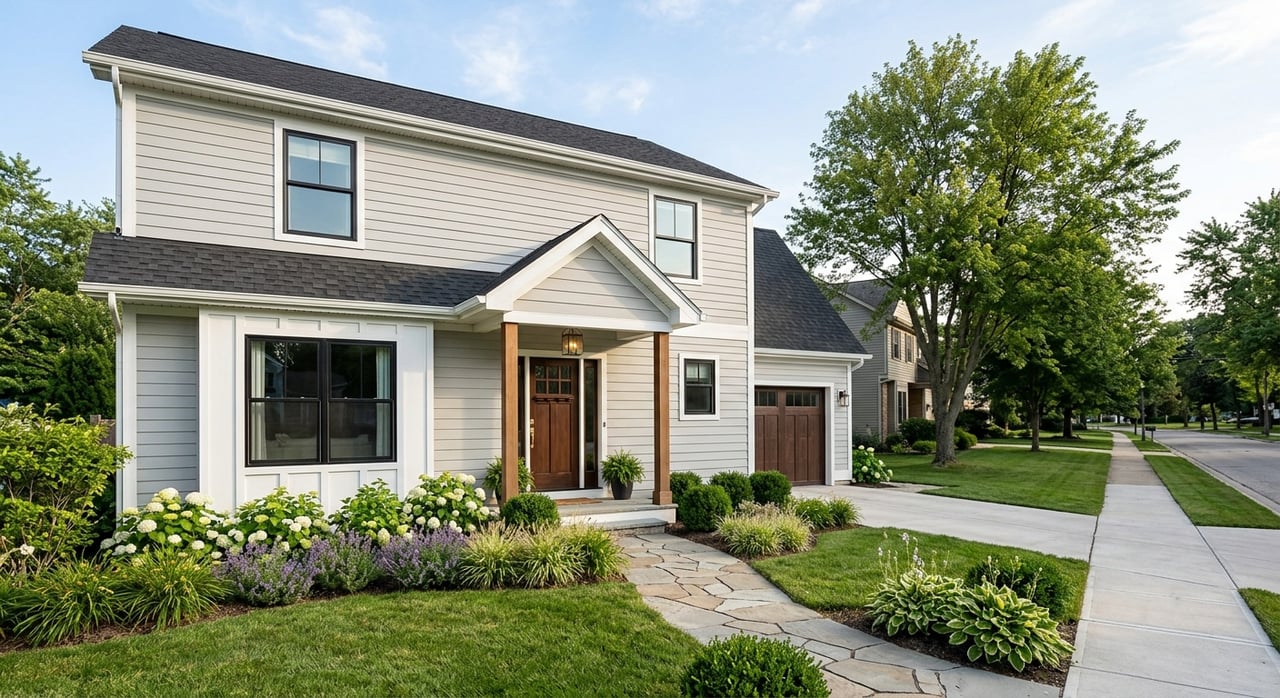
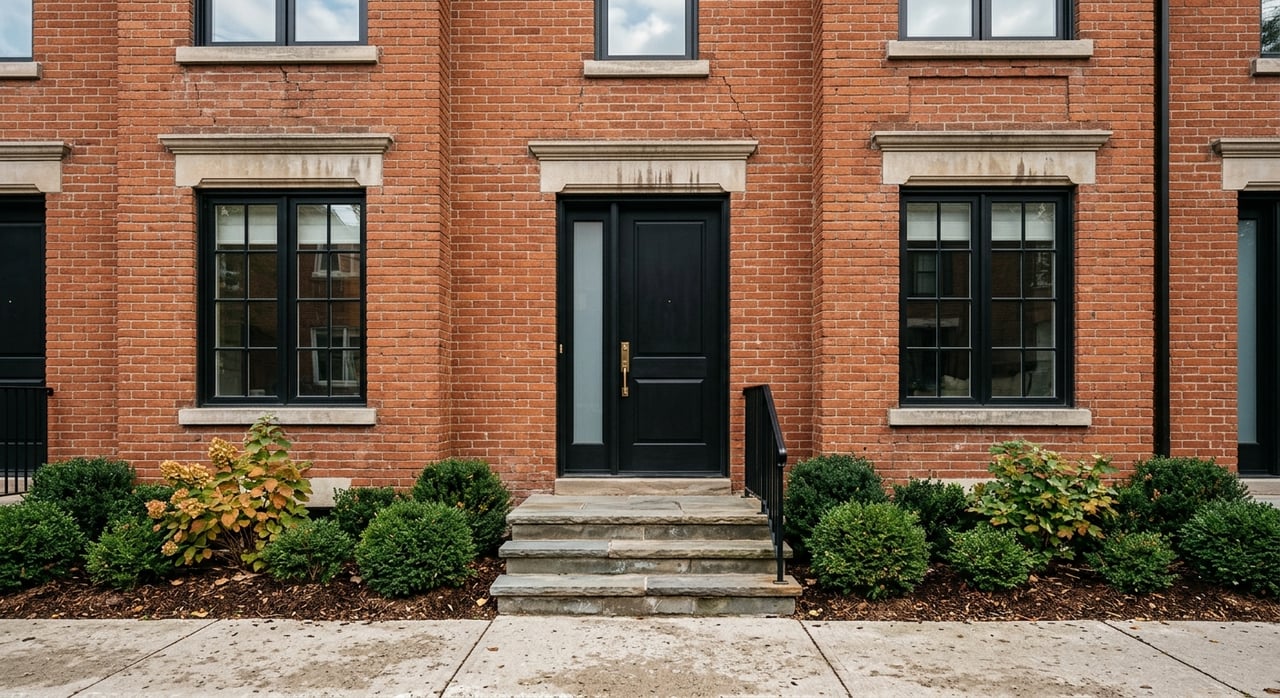
A lot of people picture DC as mostly condos, but the market is broader than that. The District’s housing stock includes many apartment units, along with single-family homes and condominiums. A large share of the city’s single-family housing is made up of rowhouses and semi-detached homes, which gives DC a more attached-home feel than many outer suburbs.
For you, that means the home search often starts with property type first. Do you want a condo with lower exterior maintenance, a rowhouse with more private space, or a detached home if inventory and budget allow? That choice can shape both your neighborhood options and your monthly costs.
Common DC housing types
When you start browsing, you will likely see a mix of:
- Apartments
- Condominiums
- Rowhouses
- Semi-detached homes
- Detached homes
- Co-ops
Co-ops are especially important to note if you are moving from a market where they are less common. In DC, co-op ownership exists alongside traditional houses and condos, and it can affect both financing and closing details.
Commute planning in the DC region
Your commute in DC is often about transit access, not just mileage. WMATA serves about 4 million people across DC and parts of Maryland and Virginia. Metrorail operates 98 stations and serves more than 600,000 customers a day, which is a reminder that many people organize their home search around rail lines, bus corridors, and transfer points.
If you are moving from a car-dependent area, this can be a big lifestyle shift. In some parts of the region, you may be able to rely heavily on rail, bus, walking, and biking. In others, you may still want a car for flexibility.
Regional commute options
DC’s transit story goes beyond Metro. Regional commuters also use:
- VRE, which connects Northern Virginia suburbs with Alexandria, Crystal City, and downtown Washington
- MARC, which provides commuter rail service from Maryland corridors to Union Station
- Metrobus, which serves DC plus transit centers in Maryland and Virginia
- Capital Bikeshare, which spans six jurisdictions with more than 4,300 bikes at 500 stations
This gives you more than one way to think about your move. You may decide that living in DC fits your lifestyle best, or you may prefer a nearby Virginia or Maryland location that still offers strong access into the city.
Do you need a car in DC?
The answer depends on where you live and how you travel. DDOT notes that DC residents can get around by walking, biking, transit, or car. In practical terms, some households find that one car works well, while others decide they do not need one at all.
Parking can also affect your decision. DC residential parking permits are required on designated blocks if you want to park beyond posted restrictions. So if you are bringing a vehicle from out of state, it is smart to factor neighborhood parking rules into your move planning.
DC closings work differently
One of the biggest surprises for out-of-state buyers is that DC closings can feel more paperwork-heavy than expected. The District’s Recorder of Deeds requires a completed FP-7/C tax return to record a deed, deed of trust, or certain long-term lease instruments. The recordation office also handles both recordation and transfer tax collection.
That may sound technical, but the consumer takeaway is clear. The same purchase price can lead to a different closing experience and a different cash requirement depending on whether the home is in DC, Virginia, or Maryland.
How DC compares with nearby Virginia and Maryland
If you are deciding between DC and close-in suburbs, it helps to compare the basics.
| Area | Average Home Value | Average Rent | Property Tax Benchmark |
|---|---|---|---|
| Washington, DC | $580,439 | $2,394 | $0.85 per $100 assessed value |
| Alexandria | $679,447 | $2,241 | Varies by local jurisdiction |
| Arlington County | $794,843 | $2,557 | $1.033 per $100 assessed value |
Arlington also has its own recordation requirements. Montgomery County, Maryland uses a different set of transfer and recording steps, including state transfer tax and specific deed submission documents. The details vary, which is exactly why relocation buyers should avoid assuming the process is the same everywhere in the DMV.
Smart questions to ask before you move
Before you decide where to live, ask yourself a few practical questions:
- What is my real monthly payment after taxes, fees, and commuting costs?
- How much cash will I need at closing in DC versus Virginia or Maryland?
- Do I want a condo, rowhouse, townhome, or detached home?
- How important is rail or bus access to my daily routine?
- Will I need parking, and what will that cost or require?
- Am I eligible for any first-time buyer assistance?
These questions help you move from general browsing to a plan that actually fits your life. They also help you avoid the common mistake of choosing a location based only on headline price.
The bottom line for out-of-state movers
Moving to Washington, DC from out of state can be a great fit if you like walkability, regional transit access, and a wide range of housing types. But the right choice is not always DC proper, and it is not always the suburb with the lowest list price either. In this region, the smartest move usually comes from comparing total cost, commute, property type, and closing process together.
That is where local guidance makes a real difference. If you want help comparing DC with Alexandria, Arlington, or other Northern Virginia options, Margo D Scott can help you make sense of the numbers, the neighborhoods, and the next steps.
FAQs
What should I compare when moving to Washington, DC from out of state?
- Compare total monthly cost, cash to close, commute options, property type, and parking needs, not just the list price.
Is Washington, DC more expensive than Arlington or Alexandria?
- Not always. Current average home values show DC below both Arlington County and Alexandria, though your real cost depends on taxes, fees, and lifestyle needs.
What types of homes are common in Washington, DC?
- DC offers apartments, condos, rowhouses, semi-detached homes, detached homes, and co-ops, with more attached housing in many central areas.
Do Washington, DC homebuyers need to plan for special closing costs?
- Yes. DC has deed recordation and transfer taxes that can add up to 2.2% or 2.9% depending on the price, and the recording process includes specific District forms.
Are there first-time homebuyer programs in Washington, DC?
- Yes. DC offers a reduced recordation tax rate for qualifying first-time buyers of houses and condo units, and HPAP provides assistance for eligible first-time buyers purchasing in the District.
Can you live in Washington, DC without a car?
- In many areas, yes. DC supports travel by Metro, bus, walking, biking, and car, so whether you need a vehicle depends on your neighborhood and daily routine.