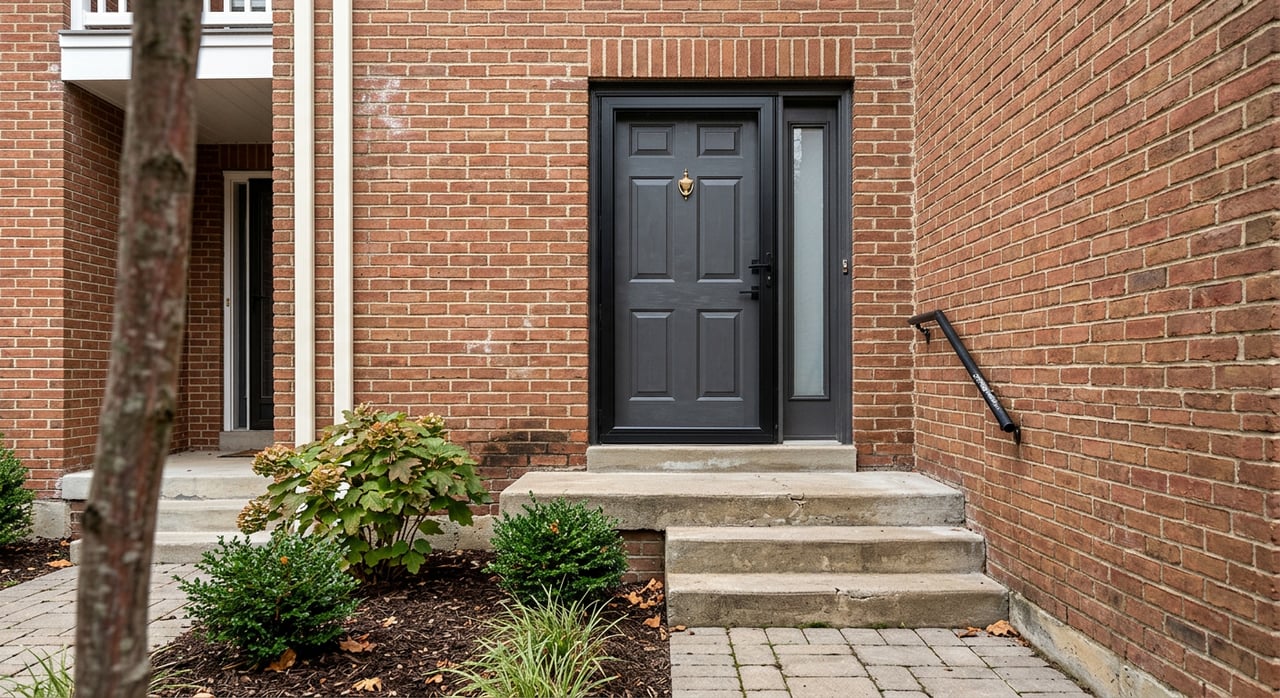
Torn between a townhome in Woodbridge or Dale City? You are not alone. Both offer strong value in Prince William County, but the mix of price points, age, HOA perks, and commute options can feel complex fast. In this guide, you will learn how to compare apples to apples, what your money typically buys in each area, and how to weigh HOA and commute tradeoffs without surprises. Let’s dive in.
Quick snapshot: how they differ
Woodbridge gives you a wider spread of townhome options, from 1970s–1990s classics to new-construction in master-planned settings like the Quartz District and amenity hubs near Belmont Bay. Dale City leans older overall, mostly 1970s–1980s stock, which often translates to lower list prices for similar square footage when compared to Woodbridge’s newest offerings.
Here is a fast side-by-side to frame your search.
| Factor | Woodbridge | Dale City |
|---|---|---|
| Typical townhome price bands | Entry/value about $300K–$420K; mid about $420K–$560K; upper/new about $560K–$750K+ in areas with new construction or waterfront adjacency | Entry/value about $300K–$420K; mid about $420K–$560K; fewer in the $560K+ tier unless highly renovated |
| Age and style | Mix of 1970s–1990s plus newer infill and master-planned townhomes; contemporary layouts and garage options in newer phases | Predominantly 1970s–1980s brick-front or siding townhomes, often with basements and small yards |
| HOA and community | Wider range of dues and amenities; Lake Ridge, Belmont Bay, and Quartz District can include pools, trails, community centers, and marina access | Generally modest HOA structures and fees, with many communities relying on county recreation options |
| Commute choices | VRE Fredericksburg Line at Woodbridge and Rippon Stations; I‑95 and Route 1 access | Strong OmniRide bus network with park-and-ride lots; I‑95 and Route 1 access |
| Who it fits | Buyers seeking variety or newer builds with amenity packages | Buyers prioritizing value pricing who are open to 1970s–1980s homes, often renovated |
What your money buys
You will see townhomes in both markets across three broad price bands. Use this as a starting point while you verify current comps.
- Entry or value band, about $300K–$420K. Common in older Dale City pockets and older Woodbridge subdivisions. Expect dated finishes or systems due for replacement unless recently updated.
- Mid band, about $420K–$560K. Many well-maintained or renovated units across both areas. You will often see refreshed kitchens and baths, newer roofs or HVAC, and move-in-ready condition.
- Upper or new-construction band, about $560K–$750K+. This tier shows up more in Woodbridge, especially where new projects and amenity-rich settings push prices higher.
Pro tip: Newer Woodbridge communities can extend into the $600Ks and beyond when you add garage, roof deck, and luxury finishes. In Dale City, renovated homes can climb into the mid-to-upper $400Ks, though the overall stock skews older.
Age and style: what to expect
- Dale City. Most townhomes were built in the 1970s–1980s, with many listings showing a median year built in the mid-1980s. You will see traditional two- to three-level layouts, brick or vinyl exteriors, and basements. Budget for mid-life systems unless the seller has replaced roof, windows, HVAC, and water heater.
- Woodbridge. You will find a broader mix. Older 1970s–1990s townhomes sit alongside newer infill and larger master-planned product. Recent phases in places like the Quartz District show open plans, modern kitchens, garages, and even roof-deck options. You can shop both traditional and contemporary styles in one search.
Bottom line: condition and systems often matter more than the neighborhood name. A well-updated 1985 Dale City townhome can beat a neglected 1990 Woodbridge unit on the items that drive comfort and cost of ownership.
HOAs and amenities: read the fine print
HOA structures vary widely across both areas. That makes it essential to compare dues, what is covered, and the lifestyle that comes with it.
- Small or limited-coverage HOAs. Often older townhome clusters. You might see low monthly dues, for example about $50 to $120 per month, that cover trash and common-area care. You take on more individual maintenance.
- Amenity-rich communities. In parts of Woodbridge like Lake Ridge, Belmont Bay, and the Quartz District, HOAs can include pools, community centers, trails, and in Belmont Bay, marina facilities. Dues are higher, sometimes in the low hundreds per month or more, especially if the property is in a condominium association. There can also be one-time capital contributions or move-in fees.
What to verify in every HOA before you write an offer:
- Budget and reserve study. Check that reserves are funded for long-term repairs.
- Recent meeting minutes. Look for any pending special assessments.
- Parking rules. Confirm guest parking and deeded spaces.
- Insurance coverage. Understand what the HOA insures versus what you insure.
- Rental rules. If you plan to rent now or later, confirm caps and short-term restrictions.
Why this matters: HOA dues, any special assessments, and what the HOA pays for will change your true monthly cost and your maintenance exposure.
Commute: train, bus, or I‑95?
Both areas give you multiple ways to reach DC and Northern Virginia job centers. The best option depends on your schedule and destination.
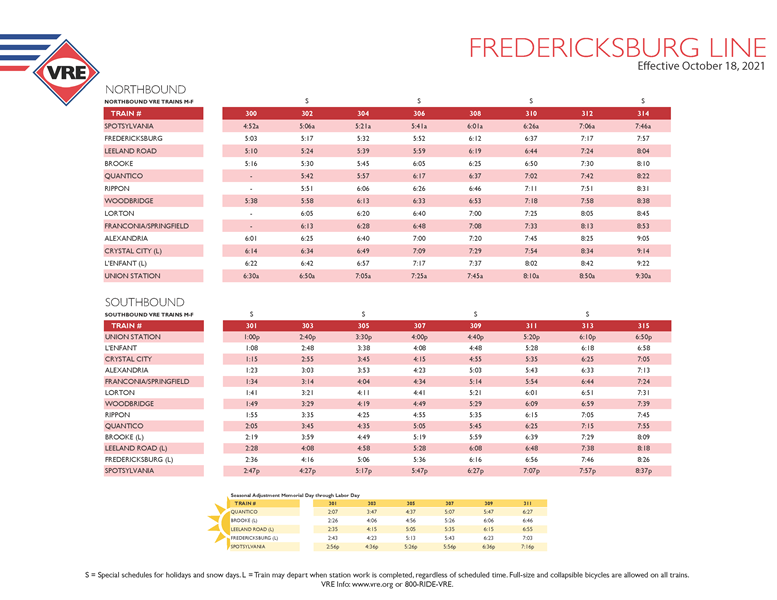
- VRE Fredericksburg Line. Woodbridge and Rippon Stations sit in the Woodbridge area. Morning trains to Union Station typically take about 50 to 55 minutes based on the published timetable. Check the latest times directly on the VRE stations page and the current Fredericksburg Line timetable.
- OmniRide commuter buses and park-and-ride. Dale City is well served by express routes to DC, the Pentagon, and other hubs, with multiple commuter lots that make bus access easy. County transit planning materials highlight these origins and routes. For a planning overview, see the Prince William transit plan summary.
- Driving I‑95 and Route 1. Off-peak can be about 30 to 40 minutes to northern Arlington and DC approaches, but peak periods often add 20 to 40 minutes or more. Always test your exact door-to-desk times at your expected departure windows.
If you must be at your desk by 8:30 a.m., compare a sample VRE train and an OmniRide express bus for the same day. The right choice can shift by destination and day of the week.
How to compare two listings
Use this quick checklist to break ties between a Woodbridge and a Dale City townhome.
- Property-level
- Year built and last replacement dates for roof, HVAC, water heater, and windows.
- Basement condition and any water intrusion history.
- Parking and storage. Garage, assigned space, or street, plus extra storage options.
- Interior layout. Finished basement, bath count, and functional flow for daily living.
- Renovation list and permits for major work.
- HOA-level
- Current budget, most recent financials, and reserve study.
- Minutes from the last 12 months and any pending assessments.
- Rules on pets, rentals, guest parking, exterior changes, and solar.
- Management company contact and any known litigation.
- Neighborhood & community
- Amenity access such as pools, trails, community center, or marina. Confirm what is included in dues.
- Grocery, shopping, and commute access, including Potomac Mills or Stonebridge, I‑95 access, closest VRE or park-and-ride.
- Noise and traffic. Proximity to major roads and the unit’s position within the block.
- Market & resale
- Six to twelve months of like-kind comps in the same subdivision.
- Days on market and sale-to-list ratios.
- Any new projects nearby that may change demand, such as the Quartz District.
- Total cost test
- Monthly HOA, property tax, typical utilities, and insurance versus your budget.
- If you plan to rent, confirm rental caps and local demand.
Tip: Create a simple matrix for two finalist homes and score each of the five sections above. A clear winner usually appears when you tally condition, HOA strength, commute, and total cost.
Before you choose: ask Margo for these
You make the best decision with complete info. Ask for these items before you finalize an offer.
- Please send the full HOA packet, including budget, reserve study, 12 months of minutes, rules, and any special assessment notices.
- Give me 6–12 month comps for this exact subdivision and product type, including sold prices and days on market.
- Any known deferred maintenance and any seller-provided inspection reports.
- Utility bills for the last 12 months and the most recent tax assessment.
- Clarify whether the unit is in a condo-style association with master insurance or an owner-responsible building envelope. Note any move-in or capital contribution fees.
- For my commute to a specific address, provide door-to-desk times by car, VRE, and OmniRide for two typical morning and evening windows.
- Any upcoming community projects or road work in the next 12–36 months that could affect noise, parking, or values.
Bottom line
Choose Woodbridge if you want broader product variety, access to new construction, and amenity-rich communities that support an active lifestyle. Choose Dale City if you value a lower price point for similar square footage and you are comfortable focusing on condition, system ages, and smart renovations in 1970s–1980s homes. In both places, the right pick comes down to the HOA’s health, your commute, and the true all-in monthly cost.
Ready to compare two townhomes side by side and see real-time comps, HOA details, and commute scenarios? Schedule a free consultation with Margo D Scott and get a clear, data-backed path to your best choice.
FAQs
What are typical townhome prices in Woodbridge and Dale City?
- Expect roughly $300K–$420K for entry/value, $420K–$560K for well-updated homes, and $560K–$750K+ for newer or amenity-rich options, with Woodbridge having more inventory in the upper tier.
How do HOA fees compare between the areas?
- Dale City often shows modest dues in smaller associations, while parts of Woodbridge like Lake Ridge, Belmont Bay, and the Quartz District can carry higher dues tied to pools, trails, community centers, and in some cases marina access.
How long is the VRE commute from Woodbridge to DC?
- Morning Fredericksburg Line trains from Woodbridge typically reach Union Station in about 50 to 55 minutes; check the VRE timetable for current schedules.
Is Dale City a good fit if I rely on commuter buses?
- Yes. Dale City is well served by OmniRide express routes with multiple park-and-ride lots that connect to DC and Pentagon-area job centers, which can be highly competitive with rail depending on your destination.
Do newer Woodbridge projects like the Quartz District affect prices?
- New construction and amenity-rich settings in Woodbridge can push the upper townhome price band higher and may influence nearby resale demand, which is why it helps to review 6–12 month subdivision-level comps before you write an offer.