Thinking about trading a closer-in address for more space and value while keeping a workable commute to DC or the Pentagon? If Dale City is on your shortlist, you’re not alone. Many DC‑area workers look south along I‑95 for suburban neighborhoods, parks, and a wider mix of housing. In this guide, you’ll get a realistic overview of commute choices, daily lifestyle, housing types, and a practical decision checklist so you can move forward with confidence. Let’s dive in.
Commute options from Dale City
Driving on I‑95
I‑95 is your primary north–south corridor to Northern Virginia and Washington, D.C. It connects Dale City to major job centers, with U.S. Route 1 and the Prince William Parkway providing alternates and connectors. Driving offers the most schedule flexibility, but peak congestion can be heavy northbound in the morning and southbound in the evening. Expect wide variability day to day, and plan a live test from the addresses you are considering.
Express Lanes basics
The I‑95 and I‑395 Express Lanes use dynamic tolling that adjusts with traffic conditions. They can save time compared with general lanes when priced appropriately, especially during peak hours. Rules for HOV access, occupancy, and toll rates change, so check current guidance before counting on discounted or free access. If you will commute often, build a monthly toll budget and include a cushion for days when tolls spike.
VRE commuter rail
Virginia Railway Express connects Prince William and Manassas corridors to Union Station in D.C. Dale City does not have a station within neighborhood boundaries, so you’ll typically use nearby stations in the Woodbridge or Manassas areas. VRE is designed for weekday, standard office-hour patterns and often trades a little flexibility for predictable arrival times and lower parking needs in the city.
OmniRide commuter buses
The Potomac and Rappahannock Transportation Commission operates OmniRide routes from park‑and‑ride lots in and around Dale City to major employment hubs like the Pentagon, Crystal City, and downtown DC. Reserved commuter lots and direct routes can reduce the hassle of parking at your destination. Align your work hours with bus schedules to get the most benefit.
Park‑and‑ride, carpool, and slugging
Park‑and‑ride lots support both bus riders and carpools. Carpooling can reduce toll costs and may qualify for HOV access when rules allow. Informal carpooling known as slugging exists in some Northern Virginia corridors. If you are new to the area, verify local practices and safety guidance before participating.
Time and cost: what to expect
Door‑to‑door travel times vary with your departure window, lane choice, and mode. Many drivers report roughly 40 to 60 minutes during peak periods, with longer days when incidents occur. Transit can add schedule predictability and reduce parking costs at your destination, but it requires planning around set departure times and potential first or last mile connections. Test your commute options during real peak hours, then compare total monthly costs for fuel, tolls, fares, and parking.
Neighborhood lifestyle and amenities
Community layout
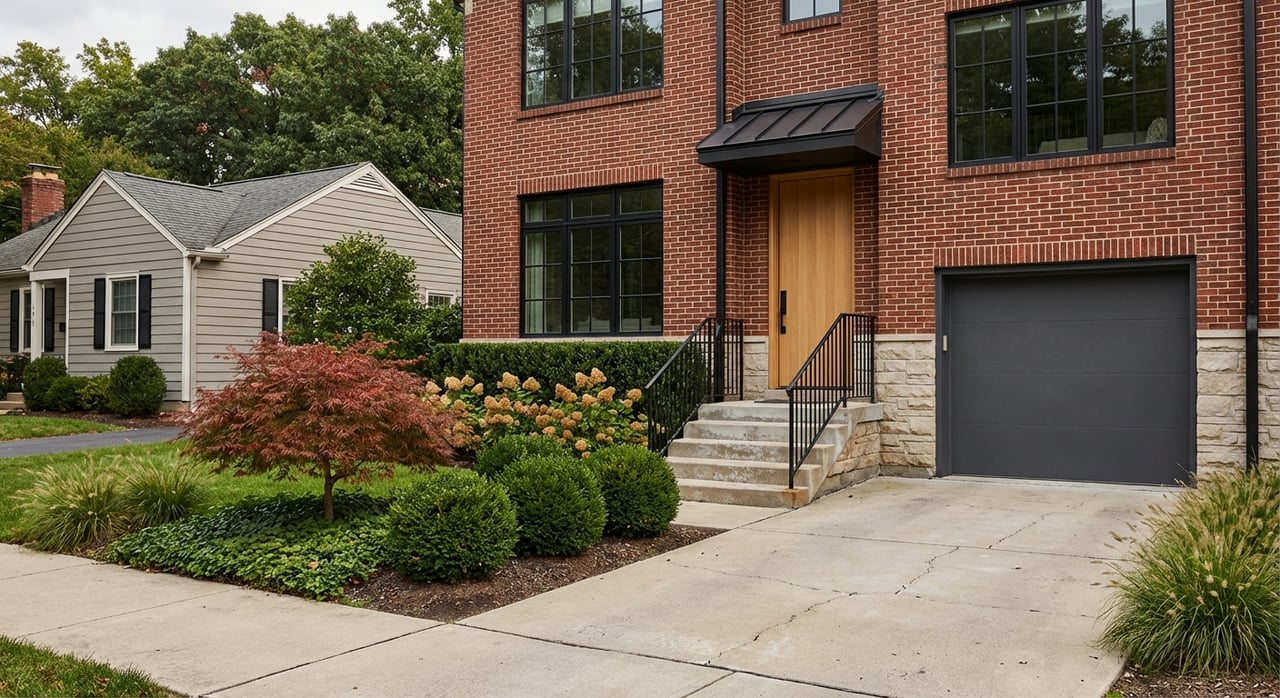
Dale City is a suburban community in Prince William County just south of Woodbridge. You’ll see low to medium density neighborhoods with single‑family homes, townhouses, and pockets of multifamily buildings. Many streets were developed from the 1970s through the 1990s, with some newer infill and townhome communities along major corridors.
Shopping and daily needs
You’ll find grocery stores, pharmacies, and services within a short drive of most neighborhoods. Larger shopping centers in Woodbridge and along the Prince William Parkway corridor serve big‑box, dining, and specialty needs. Everyday errands typically fit within a compact driving loop, which is helpful if you juggle work and family schedules.
Parks and outdoor access
If you enjoy the outdoors, the Potomac River corridor is nearby. Leesylvania State Park and Occoquan Regional Park offer trails, picnic areas, and access to boating within an easy drive. Inside the county, local parks, sports fields, and community centers support youth sports and recreational programs throughout the year.
Healthcare and services
Major hospitals and regional health centers that serve Dale City are located in Woodbridge and other parts of Prince William County. For day‑to‑day needs, urgent care and primary care offices are available across nearby corridors. Confirm providers and coverage with your insurance plan and verify drive times during your normal hours.
Schools and family resources
Dale City is served by Prince William County Public Schools. School boundaries, programs, and performance data change periodically, so verify assignments for specific addresses on the district’s official tools and review state report cards. Families also consider proximity to childcare, preschools, and after‑school programs when comparing neighborhoods.
Safety and community services
Public safety perceptions can vary by street and by block. To understand an area, review county police or crime maps and visit at different times of day to observe lighting, traffic, and foot activity. Sidewalks, street connectivity, and intersection design will shape the walkability you experience.
Housing types and what to look for
Common homes and eras
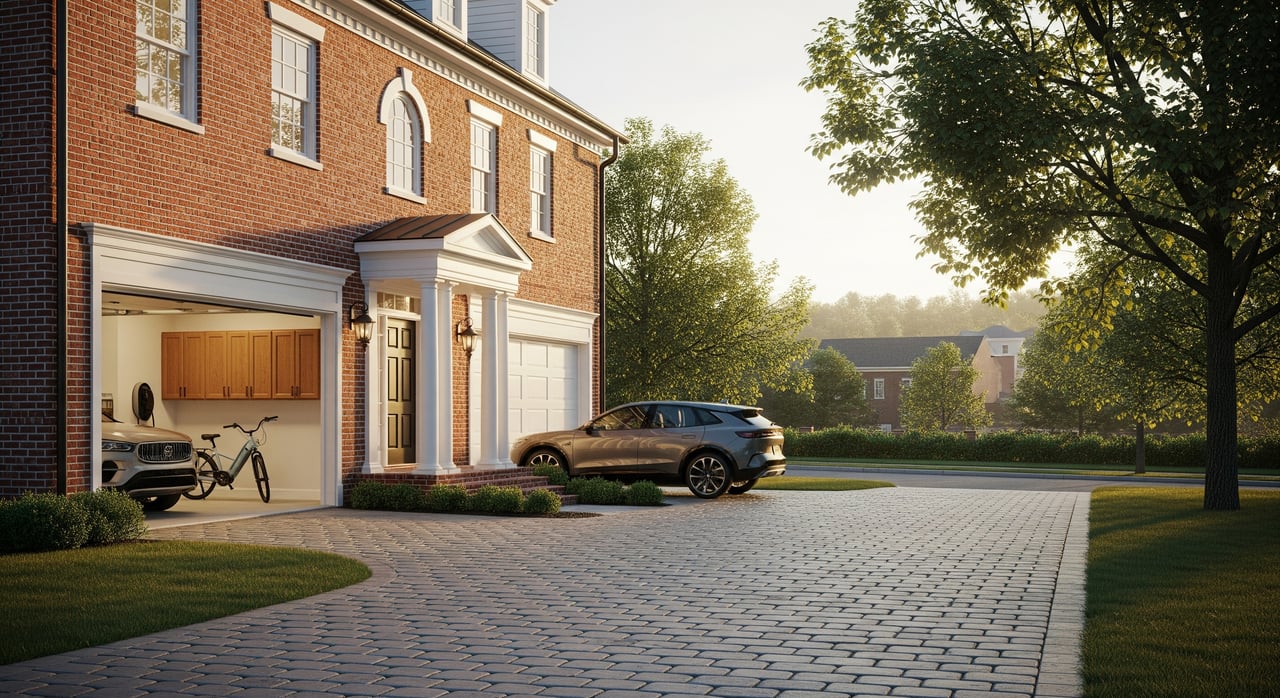
Single‑family detached homes are common throughout Dale City, often on suburban lots with ranch, split‑foyer, and colonial styles. Townhouses and rowhomes are frequently found along major roads and transit corridors, which appeals to buyers who want lower maintenance or entry‑price options. Condominiums and apartment communities cluster near shopping and commuting routes and serve both renters and buyers.
Affordability context
Dale City generally falls into a more affordable band within Northern Virginia compared with closer‑in jurisdictions such as Arlington or Alexandria. Actual affordability varies by micro‑neighborhood, home condition, and proximity to commuter routes. For current pricing, review median sale price, price per square foot, days on market, and months of supply, and use recent comparable sales within the last 6 to 12 months for context.
Ownership costs to plan for
Property taxes in Prince William County, homeowners association fees, and homeowners insurance all influence your monthly budget. Some neighborhoods have HOAs that cover landscaping, amenities, or exterior items. If a property sits near waterways or low‑lying areas, run a floodplain check and price potential flood insurance. Inspections are important for homes built decades ago since systems or roofs may be due for replacement.
Utilities and internet
Confirm providers for electricity, gas, water and sewer, and internet service. High‑speed fiber can be a differentiator for remote work, so ask for service availability at specific addresses. Utility costs vary with home size, age of systems, and efficiency upgrades.
Decision checklist for buyers and renters
- Test the commute. Drive your route during peak hours in both directions. Try general lanes and Express Lanes to compare time and cost. Ride VRE or an OmniRide bus during your typical work schedule.
- Build a commute budget. Estimate monthly fuel, parking, tolls, and fares. Add a buffer for occasional toll surges or parking changes.
- Verify schools. Use the district’s address lookup for current assignments and review state report cards. Consider childcare and after‑school options near your home.
- Schedule inspections. Order a full home inspection and, as needed, pest, HVAC, sewer scope, and flood risk checks. For HOA communities, read covenants and recent minutes before you make an offer.
- Walk the neighborhood. Visit on weekdays, evenings, and weekends to evaluate noise, parking, traffic, and convenience to groceries, pharmacies, and healthcare.
- Study comps and resale factors. Look at sales within the last 6 to 12 months. Consider proximity to major roads, school zones, future transportation projects, and floodplain status.
- Time your move. If schools matter, align with the academic calendar. Be aware that spring and early summer often bring more competition and tighter inventory.
How to verify details before you decide
- Check VDOT and 511 tools for current Express Lanes rules and tolling.
- Confirm VRE station options, schedules, and parking availability.
- Review OmniRide commuter routes, park‑and‑ride locations, and fares.
- Use Prince William County resources for parks, taxes, assessments, and HOA records where available.
- Run an address through FEMA’s flood map tool to understand insurance requirements.
- For market data, rely on MLS summaries for sold prices. Consumer portals can provide snapshots but may differ from MLS methods.
A local guide when you need one
If you want a clear plan for testing commute options, comparing neighborhoods, and making a strong offer when the right home appears, you do not have to tackle it alone. With an education‑first approach and deep Northern Virginia experience, we help you turn research into confident action.
Ready to explore Dale City with a step‑by‑step strategy? Reach out to Margo D Scott to schedule a free consultation.
FAQs
How long is the commute from Dale City to DC or the Pentagon?
- It depends on your mode, time, and lane choice; many drivers see 40 to 60 minutes at peak, Express Lanes can save time at a cost, and VRE or OmniRide offer predictable schedules if they fit your hours.
Can I rely on public transit for a 9 to 5 schedule?
- Many commuters successfully use VRE and OmniRide for standard office hours, but you should test schedules from nearby stations or park‑and‑ride lots to confirm timing and first or last mile connections.
Is Dale City more affordable than closer‑in Northern Virginia?
- Generally yes relative to inner suburbs like Arlington and Alexandria, though prices vary by neighborhood, condition, and market cycles; review recent comparable sales for exact context.
What types of homes are common in Dale City?
- You will find single‑family homes from late 20th‑century development, plus townhouses near major roads and some condos or apartments clustered by shopping corridors.
Which schools serve Dale City addresses?
- Prince William County Public Schools serves the area; verify current school assignments for a specific address using the district’s official tools and review state report cards for additional context.
What should I budget for commuting from Dale City?
- Plan for fuel, parking, and either Express Lanes tolls or transit fares, and add a buffer for days when tolls rise or when you need to drive on short notice instead of taking bus or rail.